How to Design a Small Backyard Garden with Raised Beds and a Seating Nook
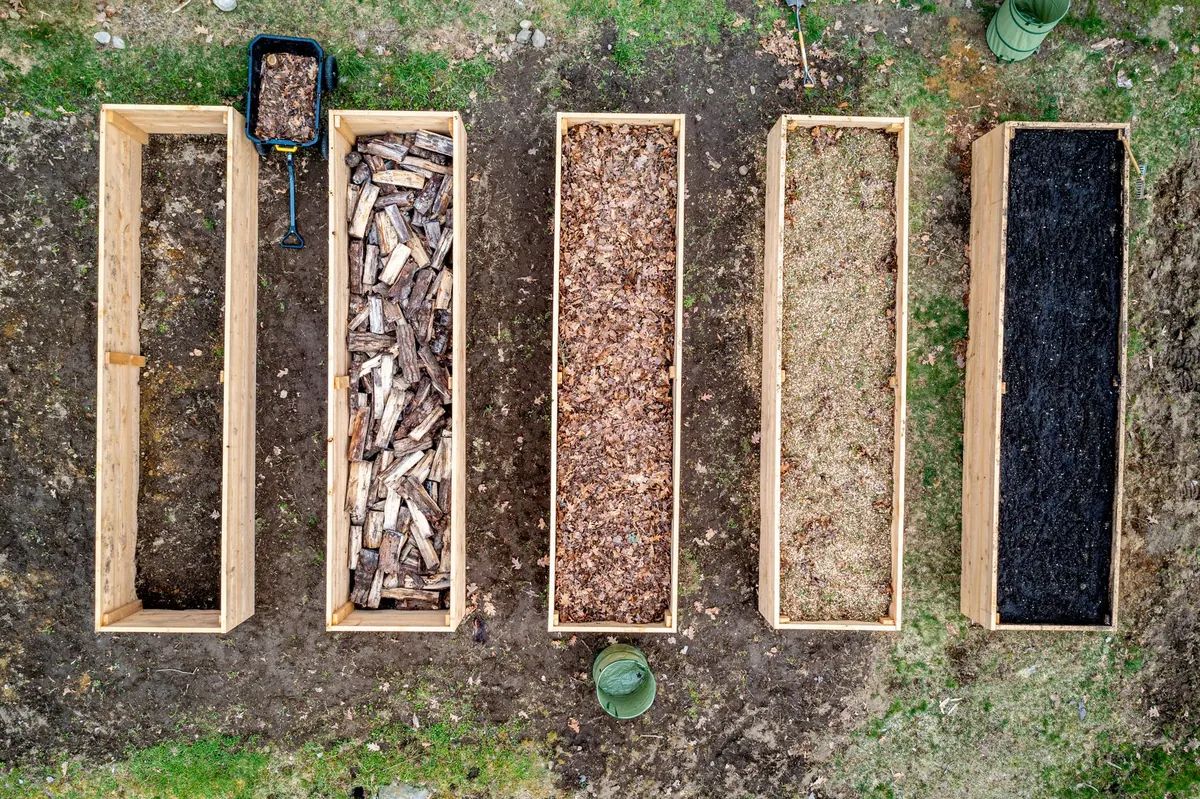
A small backyard asks one honest question: do you want vegetables or somewhere to sit? The good news is that you rarely have to choose. With a bit of measuring, one decent sketch, and a few rules about how much room a person actually needs to walk, weed, and lean back in a chair, a yard of eight by twenty feet can hold three productive raised beds and a comfortable corner for two. What it cannot hold is guesswork. Almost every crowded, frustrating small garden was built one purchase at a time, with no plan on paper.
Start with real numbers, not estimates. Measure fence to fence at two or three places along each side, because small yards are often slightly out of square. Note the swing of every gate, the location of the hose bib, downspouts, dryer vents, and any tree roots or overhanging branches from next door.
Then watch the sun. Photograph the yard at mid-morning, midday, and late afternoon. You are looking for the spot that gets six or more hours of direct light — that is where the beds belong — and the spot that bakes or stays shaded, which is often the better home for a chair.
Standard raised beds are four feet wide, which works when you can reach in from both long sides. Against a fence, two to two and a half feet is kinder. A height of eleven to eighteen inches suits sitting on the edge to plant; anything taller is easier on the back but casts more shade and costs more to fill.
For a compact yard, these layouts tend to work best:
A useful rule: leave at least a third of the total ground area unplanted and unbuilt. That open third is what keeps a small garden feeling like a garden rather than a storage yard for soil.
Paths are the part most people shrink until they regret it. A main path of three feet lets two people pass, allows a wheelbarrow, and makes the space feel calm. Secondary paths of eighteen to twenty-four inches are fine between beds.
Choose a surface that matches how you garden. Bark or woodchip is cheap and soft underfoot but needs topping up. Gravel is durable and drains well, though it migrates into beds over time. Stone or concrete pavers give you a firm, mud-free route from the gate to the seating area, which matters more than you expect in a wet winter.
Keep path level slightly below your bed soil, and leave a gap of twelve to eighteen inches between any bed and a fence. You will need that space for weeding, for harvesting the far side, and for repainting or repairing the fence later.
The coziest nooks are corners, especially the corner farthest from the gate, screened by a trellis or a tall planter so you are not staring at the street or the shed. Six feet square fits two chairs and a small table. Eight feet square is comfortable for a bench, a side table, and a potted herb or two within arm's reach.
Avoid the lowest point of the yard, where water collects after rain, and avoid the spot directly beside a compost bin. Do not tuck seating so tightly against a bed that a tomato cage, a bamboo stake, or an overhanging squash vine ends up in your hair. Twelve to eighteen inches of clearance is usually enough.
Bistro sets, folding chairs, and built-in benches with storage underneath all earn their place in tight yards. A wooden bench along a fence takes up less depth than a chair you have to walk around, and storage inside it solves the cushion problem. If you use fabric cushions, plan where they live when it rains — a lidded box under the bench, or a shelf in the shed.
Vertical growing is how a small plot produces more without losing floor space. Trellises on the fence for pole beans, climbing roses, or espaliered fruit keep the footprint at ground level. Just be careful not to raise a leafy wall on the sunniest side of your beds, since it will shade exactly what you are trying to grow.
Soften hard lines with low herbs such as thyme or oregano spilling over bed edges, or a few nasturtiums and marigolds tucked into corners. Potted plants work as movable screens: shift them to block a view, shade a bench in July, or open up the space in spring.
You do not have to finish the whole design in one spring. Put in the paths and two beds first, then add the seating nook the following season once you can see how the light and the plants behave. Before planting anything, take a chair outside, set it where you think the nook should be, and sit for fifteen minutes. You will learn more about wind, glare, and privacy in that quarter of an hour than from any plan on paper. Small gardens reward patience and tweaking far more than they reward a big budget.
Photo: Skyler Ewing / Pexels