Why Your Hydrangeas Aren't Blooming: 7 Causes and Fixes
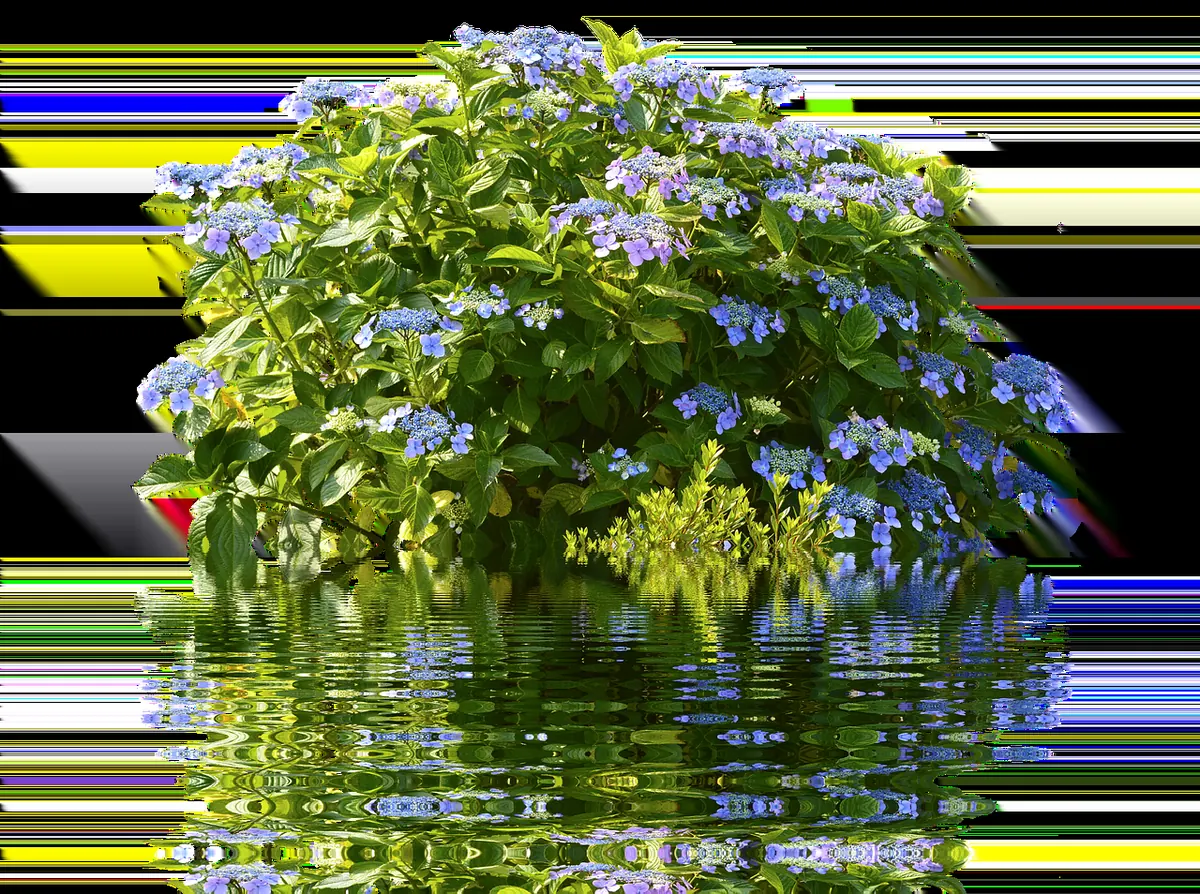
Few garden disappointments sting like a hydrangea that grows into a handsome green shrub and then refuses to flower. The leaves look healthy, the plant is clearly alive, and June arrives with nothing but foliage.
Hydrangeas are rarely lazy. When a healthy-looking plant skips a season, something specific is off — pruning timing, light, winter weather, soil, or water. Work through the seven causes below and you will usually recognize yours.
This is the most common reason a hydrangea stops flowering, and it is easy to do by accident. Most hydrangeas set their flower buds the summer before they open. Those buds ride out winter on the stems, then bloom the next season. Cut those stems in fall, winter, or early spring, and the flowers are gone before you ever saw them.
If you are not sure which you have, skip pruning for a season and watch. New-wood bloomers flower in mid-to-late summer on fresh stems; old-wood bloomers flower in early summer on stems that were already there in spring. A bigleaf cut back hard in spring will still leaf out, but its flowers are gone for the year.
Hydrangeas are often sold as shade plants, which oversells the shade. Most bloom best with morning sun and afternoon shade, and many need four to six hours of direct light to set a decent crop of flowers.
Deep all-day shade gives you a leafy shrub and few blooms. The opposite problem shows up in hot climates: hours of baking afternoon sun wilt the plant, scorch the leaf edges, and cut flowering.
Watch the plant on a clear day and count the hours of direct sun that spot really gets. In cool, coastal, or northern gardens, more sun is fine as long as the soil stays evenly moist; in hot summer areas, shade from noon onward is ideal. If you must move a shrub, do it in fall or early spring while it is dormant.
Bigleaf and oakleaf hydrangeas are the divas here. Their flower buds sit exposed on the stems, where a hard freeze, a drying winter wind, or repeated freeze-thaw cycles can kill them. The shrub survives and leafs out from the base in spring, but the stems that would have carried flowers are dead.
You will know it happened if stems are hollow or snap easily in spring, or if new growth comes only from the ground. A late spring frost can do the same damage after an otherwise mild winter.
In spring, wait for new growth before cutting anything, then trim each dead stem back to just above the highest live bud.
A hydrangea in rich soil or near a fertilized lawn can pour its energy into leaves. That lush, dark green shrub with no flowers is often a nitrogen problem, and lawn fertilizer is usually the source.
Skip the high-nitrogen feed. If you fertilize at all, use a balanced product once in early spring, before buds swell, and stop by midsummer. A spring topdressing of compost is enough for most established plants.
Soil pH matters mainly for color: acid soil gives blue flowers, neutral to alkaline soil gives pink. Very alkaline soil can lock up iron, leaving leaves yellow and the plant weak — and weak plants bloom poorly. A soil test is the place to start if you want to change color or check for a nutrient problem, and phosphorus should only be added if the test calls for it.
Hydrangeas have shallow roots and a big thirst. Two opposite water problems end in the same place: no flowers.
Drought in late summer is especially damaging, because that is when old-wood bloomers form next year's buds. A dry August can cost you the following June. Soggy clay that stays wet rots the roots, and a rotted plant cannot support flowers.
Water deeply about once a week in dry weather — roughly an inch, delivered to the soil rather than the leaves — and mulch to hold moisture, keeping it clear of the crown. If your soil is heavy clay, work in compost and plant slightly high so water drains away. A hydrangea tucked under a shallow-rooted tree or in thick turf is fighting for every drop, so give it a wide mulch ring and water that ring.
A hydrangea needs time to settle in. New plants spend their first seasons building roots and stems, and a small one-gallon shrub may take two or three years to flower well. Transplant shock has the same effect; a plant moved last spring often takes a season off. Give it steady water, mulch, and patience, and resist pushing it with fertilizer, which encourages soft growth that winter damages easily.
Fall tidiness is the quiet thief of hydrangea blooms. Cutting everything to the ground in October feels satisfying, and it removes the buds that were going to open in June. On bigleaf, oakleaf, and mountain hydrangeas, leave the stems and dried flower heads alone until spring growth shows you which parts are alive.
Deadheading is fine at the right time. Snip faded flowers on old-wood bloomers within a few weeks of bloom, while new buds can still form. After late summer, leave them be — those stems are next year's show.
Hydrangeas rarely fail without a reason. Look at where the growth comes from, when you last cut, and how much sun and water the plant received, and the answer is usually right there. Give it one season of the right care, and that green shrub will finally earn its name.
Photo: 8926 / Pixabay
Previous Post
Container Garden Design: How to Mix Thrillers, Fillers, and Spillers
Next Post
Fall Garden Prep Checklist: What to Cut Back, Cover, and Plant Before Winter