Full Sun vs. Part Shade: How to Choose the Right Spot for 20 Popular Flowers
Most plant tags list light needs in a font so small you have to squint. It is tempting to skip that line and tuck a flower into whatever patch of soil is open. Then August arrives: the coneflowers lean sideways toward the nearest slice of sky, the impatiens scorch at their edges, and the astilbe sulks in dry shade under the maple. Matching a flower to its light is the simplest way to get more blooms with less fuss, and it starts with knowing what "full sun" and "part shade" actually mean in your own yard.
The standard definitions are straightforward. Full sun means six or more hours of direct sunlight each day. Part shade, sometimes called part sun, means roughly three to six hours. Full shade means fewer than three. These are guidelines rather than laws, but they are reliable enough to plan around.
What the definitions leave out is quality. An hour of direct sun at 8 a.m. is gentle, while an hour at 2 p.m. in July is a blast furnace. That is why part shade usually means shade in the afternoon with morning sun. A plant rated for part shade that receives six hours of midday sun will often look worse than the same plant getting three hours of morning light.
Reflected heat matters too. A south-facing brick wall, a gravel path, or a stone patio can push a spot into a harsher category than the compass alone suggests.
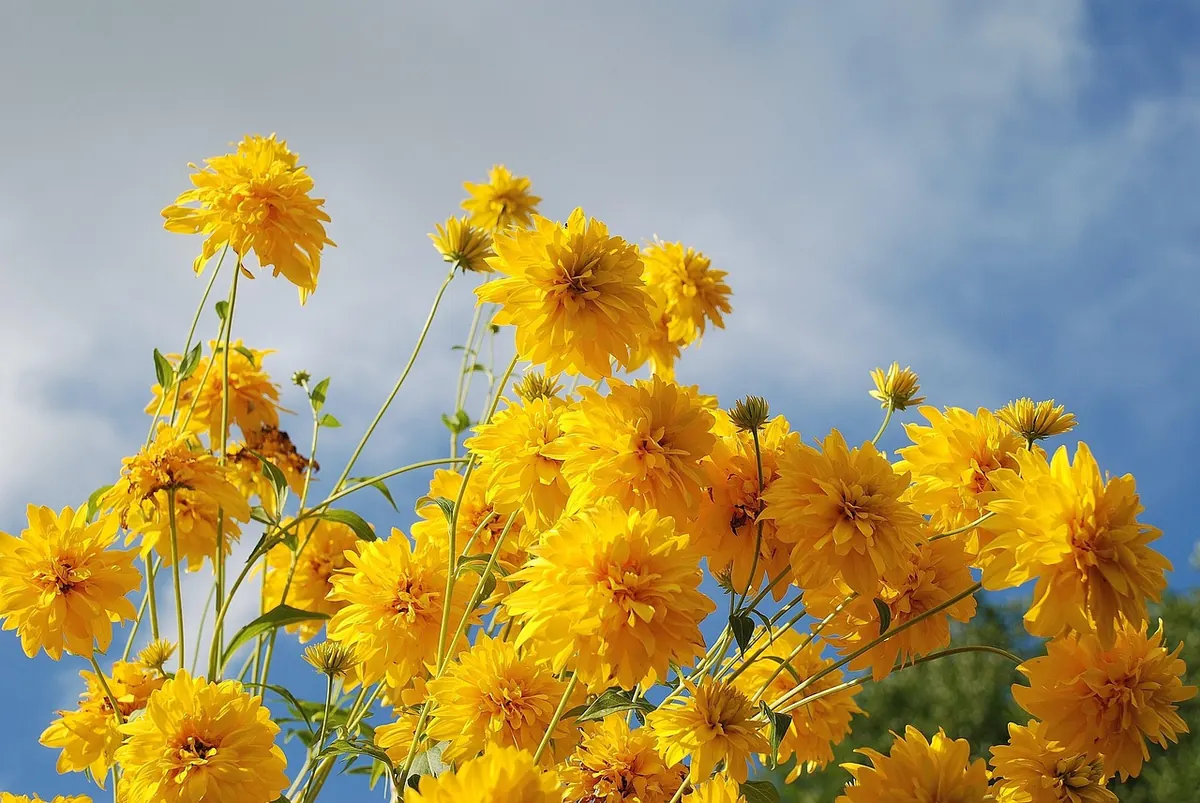
These plants come from open meadows and prairies. Give them six or more hours and they will stand upright, bloom heavily, and resist disease without much help from you.
Part shade does not mean dark. These plants want three to six hours of sun, ideally in the morning, with relief during the hottest part of the day. Think the east side of a house, the north side of a fence, or the dappled ground beneath a high-canopied tree.
Some flowers will work in either spot, with a trade-off you should know about in advance.
Standing in the garden center guessing is how most light mistakes happen. Fifteen minutes of observation at home will save you a season of disappointment.
If you cannot spend the day watching, take photos of the bed at those four times and compare them later. The pattern becomes obvious quickly.
Plants are honest communicators once you learn the signals. Stems that stretch and lean toward the brightest direction, with small or missing flowers, mean the plant wants more sun. Leaves with bleached, papery patches or crisp brown edges on the sunny side mean too much direct light, particularly in the afternoon.
The opposite problem looks different: powdery mildew, weak growth, and soil that never seems to dry out often mean too little sun and too little airflow. A plant that wilts every afternoon even when the soil is damp is usually cooking its roots, not lacking water.
Before you move anything, check the soil first. Half of all "wrong light" problems turn out to be watering problems wearing a disguise.
Perennials can be relocated in spring or early fall, when temperatures are mild and rain is more reliable. Water them well for the first couple of weeks in their new home.
Group plants by light need instead of by color. Put the full-sun thugs along the sunny outer edge of the bed, and let the part-shade plants drift toward the house, the fence, or the shade of a tree. Tall sun-lovers at the back, low growers at the front, and the shade-seekers where the afternoon sun cannot reach them.
If you are genuinely unsure about a spot, choose morning sun with afternoon shade. Almost every flower on this list will grow reasonably well there, even if it would prefer more. Buy for the spot you have rather than the spot you wish you had, and the garden will ask far less of you all summer.
Photo: GLady / Pixabay
Previous Post
Spring Garden Checklist: 15 Tasks for March, April, and May
Next Post
How to Build a Pollinator-Friendly Flower Bed from Scratch