DIY Outdoor Decor Ideas That Survive Rain, Wind, and Frost
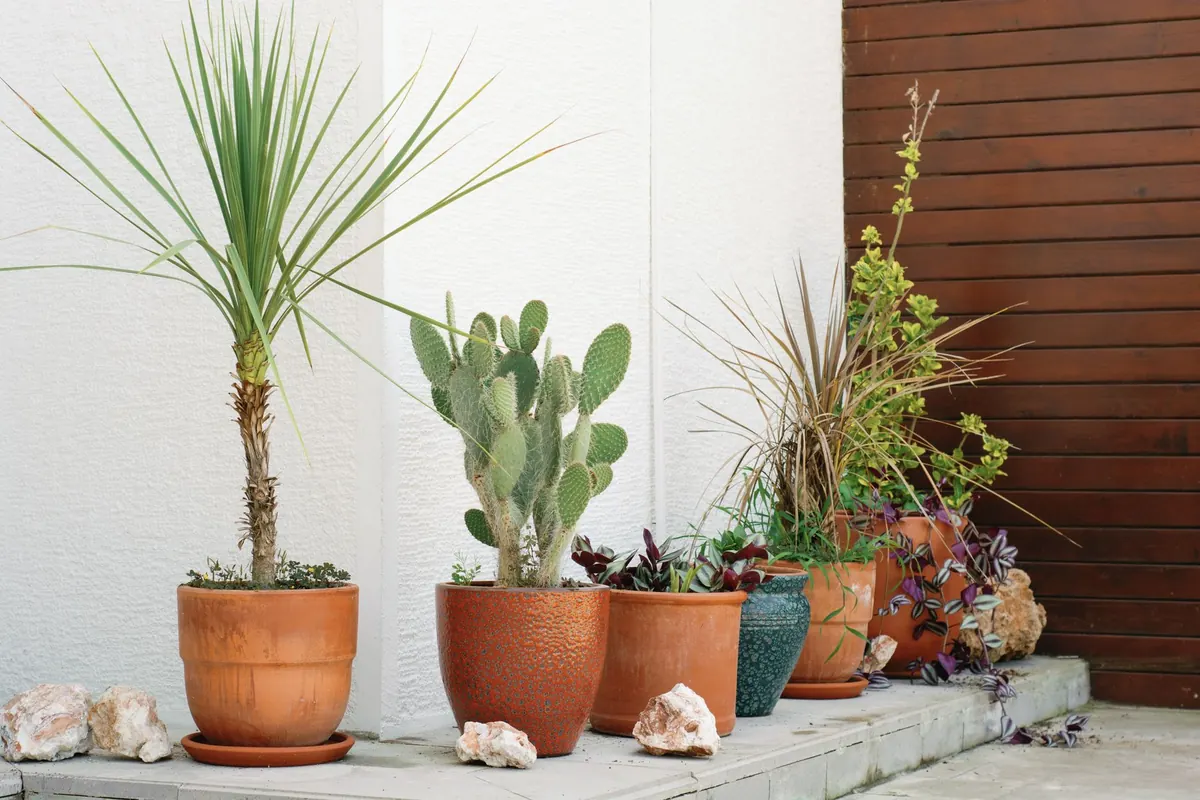
A porch planter that looks generous in May can be a cracked, wind-flung mess by February. The difference between those two outcomes is rarely luck. It comes down to what you build with, how you anchor it, and how much water it holds when the temperature drops.
Good outdoor decor does not fight the weather. It is chosen for it. The projects below lean on materials that age gracefully, and on a few habits that keep a patio, porch, or balcony looking intentional through rain, wind, and hard frost.
Water expands when it freezes, and a pot full of wet soil has nowhere to send that pressure. Thin, unglazed terracotta is the usual casualty. Glazed ceramic can craze, and rims chip off in sheets. The containers that shrug off winter tend to be fiberglass, composite resin, heavy cast stone, and thick stoneware labeled frost-resistant. Wooden half barrels work well too, as long as the metal bands are tight and water can drain, because wet wood sitting in a saucer rots from the bottom up.
Whatever you choose, handle these three things first:
Heavy containers also solve half your wind problem. A wide cast stone pot planted with a small evergreen is not going anywhere, which is more than you can say for a lightweight plastic planter on a breezy third-floor balcony.
Winter decor needs structure, and evergreens provide it. Think in three layers: something tall for the center, something rounded for the middle, and something that trails over the edge. That formula reads as designed rather than accidental, and it keeps looking deliberate when flowers are long gone.
Roots in containers freeze harder than roots in open ground, so choose plants rated roughly two zones colder than your garden's zone. Dwarf Alberta spruce, boxwood, winterberry, heather, sedge, and corkscrew rush all hold their shape from October into March. For the trailing layer, try ivy or creeping jenny, and trim it back if it starts smothering the pot's edge.
Petunias and begonias have no business in a permanent container arrangement. Save them for a separate pot you can empty in fall, and treat your structural planting as the fixed piece you decorate around.
Twigs, cones, dried grasses, and grapevine wreaths age better than people expect, provided they can dry out between storms. Anything that stays wet in a heap will mold, rot, or turn to mush. Sort your materials by how they behave outdoors:
Sheet moss is worth a special mention. Wire it to a form rather than gluing it, and it will stay green through damp weather and dry out without crumbling.
Soft twine is charming in September and snapped by December. Where a connection actually carries weight, use stainless steel wire, galvanized staples, or UV-resistant zip ties. Standard clear zip ties go brittle in sunlight and let go without warning.
For anything wooden, an oil finish penetrates and moves with the grain instead of cracking off the surface the way a thick film finish does. Re-oil once a year before the wet season. If you use boiled linseed oil, spread the used rags flat to dry outside or seal them in a metal can with water — wadded rags can self-heat and catch fire. Touch up chipped paint on metal furniture promptly, since rust spreads under a paint edge far faster than it spreads across bare metal.
Wind does not lift decor so much as it rattles it loose and then throws it. A few habits keep things in place.
Frost, snow, and bare branches do a lot of decorating for free. Leave seed heads and ornamental grasses standing over winter instead of cutting them down: they catch frost beautifully and feed birds when little else is available. Evergreens bent under wet snow can be swept gently with a broom from underneath, which is easier on branches than knocking the snow off from above.
For lighting, choose fixtures and extension cords rated for outdoor use and plug into a GFCI outlet. Battery LEDs and small solar stakes are the simplest cold-weather options because there is no cord to bury or trip over. If you are adding permanent wiring, outlets, or landscape lighting circuits, bring in a licensed electrician — it is not a job for a weekend afternoon.
Durable outdoor decor is mostly maintenance done early. Put a repeating reminder on your phone and walk the space with a few tools in hand.
Early fall: empty saucers, pull tender annuals, swap in evergreens, tighten every wire and tie. Before the first freeze: water containers deeply one last time, then stop; move pots off the ground or onto feet. Midwinter: sweep heavy snow, check that nothing has loosened in wind, and replace any tie that has frayed. Early spring: inspect wood for rot, re-oil or reseal, replace cracked pots, and refresh the soil's top few inches.
Do that, and your porch will look cared for in every season — not just the ones with good weather.
Photo: Nadiye Odabaşı / Pexels
Previous Post
How to Build a Pollinator-Friendly Flower Bed from Scratch
Next Post
Container Garden Design: How to Mix Thrillers, Fillers, and Spillers