10 Common Indoor Plant Watering Mistakes and How to Fix Them
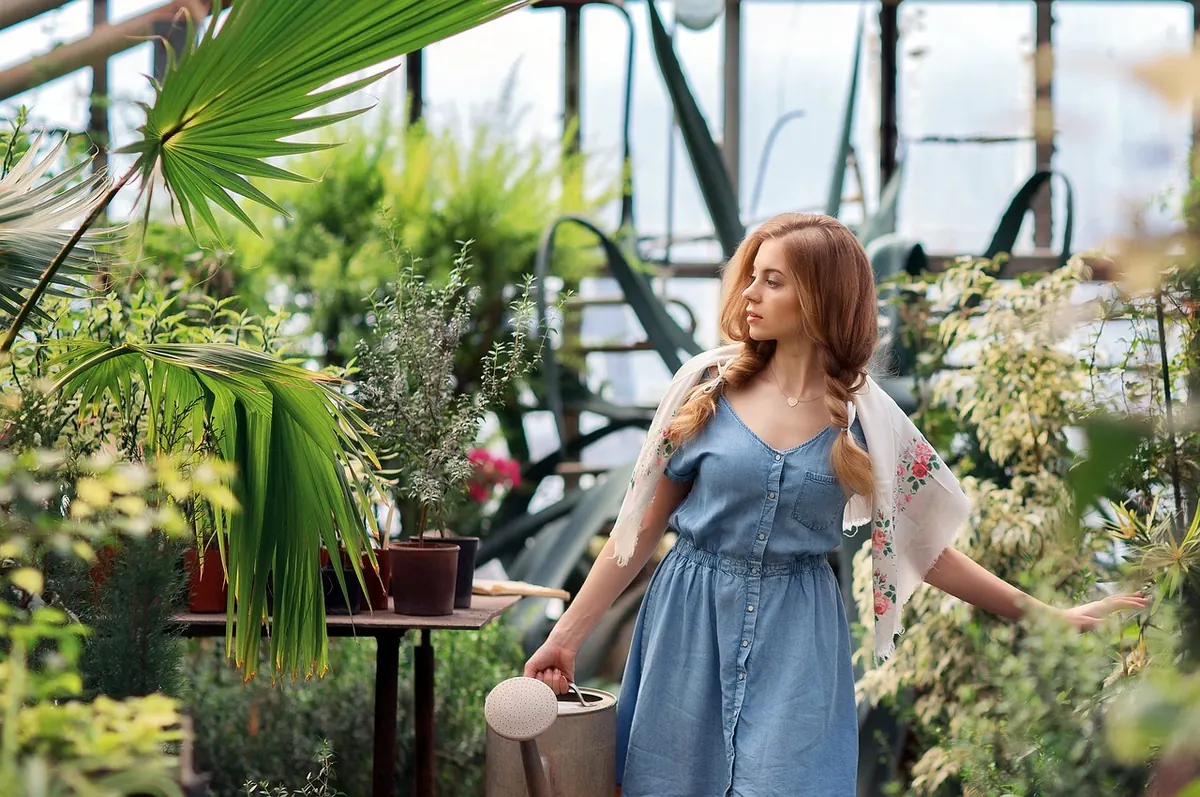
Most houseplants don't die from neglect. They die from kindness, delivered with a watering can. A wilted fern and a drowned pothos can look surprisingly similar at first glance, and the instinct to "just add water" is often exactly wrong. The good news is that almost every common watering problem leaves clues, and once you know what you're looking at, fixing it is usually straightforward. Here are ten mistakes that trip up indoor gardeners most often, along with practical ways to correct each one.
Tuesday is not a watering day. A plant in a bright window in July may dry out in four days; the same plant in a dim corner in January might take three weeks. Sticking to a calendar ignores the two things that actually matter: how fast the soil dries and how thirsty the plant is right now.
Fix it by checking the soil instead of the date. Push a finger about an inch into the potting mix. If it feels moist, wait. If it feels dry at that depth, water. For larger pots, a cheap moisture meter or a wooden chopstick inserted near the root zone works the same way — pull it out and look for damp soil clinging to the wood.
Small daily sips seem gentle, but they only wet the top inch of soil. Roots grow downward in search of moisture, so shallow watering encourages weak, surface-level roots and leaves the lower root ball bone dry. It also keeps the top layer constantly damp, which is where fungus gnats and mold like to settle in.
Water thoroughly instead, until liquid runs out of the drainage holes, then don't water again until the top inch or two has dried. This flushes salts from fertilizer out of the soil and encourages deep rooting.
That decorative saucer or cachepot catching the runoff? Empty it within an hour or so. A pot left standing in an inch of water keeps the bottom of the root ball saturated, and roots need air as much as they need moisture. Soggy roots rot, and root rot is the most common cause of houseplant death.
If you use a cachepot without holes, either take the inner pot out to water it at the sink and let it drain fully before returning it, or line the bottom with a layer of pebbles — though be aware pebbles only help if the water never reaches the soil line.
Some pots look lovely but have no holes at all. Unless you're growing something like a lucky bamboo in water, that's a problem waiting to happen. Every potted plant needs a way for excess water to escape.
Drooping leaves are the classic cry for water — but they're also the classic sign of drowning roots. The difference is in the soil and the leaves themselves. Underwatered plants have dry, light pots and leaves that feel limp and papery, often with crispy brown edges. Overwatered plants sit in heavy, wet soil, and their leaves may turn yellow, feel soft and mushy, and drop off without drying out first.
Check the soil before you pour. If it's wet and the plant is wilting, more water will make things worse, not better.
Tap water is fine for most houseplants, but some sensitive types — ferns, calatheas, spider plants, and dracaenas among them — can develop brown leaf tips from the minerals and fluoride in municipal water. Letting tap water sit overnight won't remove fluoride, though it does let chlorine dissipate.
If your plants show recurring tip burn, try filtered water, rainwater, or distilled water for the fussiest ones. Room-temperature water is also kinder to tropical roots than a shock of cold straight from the tap.
Plants take up water through their roots, not their foliage. Splashing the leaves wets the soil surface unevenly, encourages fungal spots, and can leave standing water in the crown of plants like African violets or succulents, where rot sets in quickly. Aim the spout at the soil, close to the rim, and go slowly so the mix absorbs rather than running straight down the sides.
Growth slows dramatically in winter, and so does water use. A plant that drank weekly in June may only need a drink every two or three weeks in December. The reverse happens in summer, when bright light and warm air dry pots out fast. Adjust your routine with the seasons rather than keeping it fixed year-round.
Dry indoor air, especially near radiators or air conditioning vents, pulls moisture from leaves faster than roots can replace it. Grouping plants together, running a small humidifier, or setting pots on a tray of pebbles and water can raise the humidity around them. Keep plants away from direct drafts and hot air sources, which stress them in ways no amount of watering can fix.
When a plant starts to struggle, act rather than hope. If the soil smells sour or stays wet for weeks, unpot the plant, rinse the roots, trim any that are brown and mushy, and repot into fresh, well-draining mix in a clean pot. If the root ball is bone dry and pulling away from the sides of the pot, soak the whole thing in a basin of water for twenty minutes so the mix can rehydrate, then let it drain.
Watering well comes down to paying attention rather than following rules. Check the soil before every watering. Water deeply, then let the top layer dry. Empty the saucers. Repot when the mix breaks down. And when in doubt, wait a day — underwatered plants usually bounce back quickly, while overwatered ones often don't. Learn to read each plant's signals, and you'll spend far less time rescuing and far more time enjoying a house full of healthy, thriving greenery.
Photo: StarFlames / Pixabay
Previous Post
Beginner's Guide to Reading Seed Packets: Spacing, Depth, and Days to Maturity
Next Post
Spring Garden Checklist: 15 Tasks for March, April, and May